A flashing check engine light is one of the most serious warnings your vehicle can give you. Unlike a steady check engine light, which may indicate a minor or moderate issue, a blinking or flashing light signals an urgent problem that could lead to severe engine damage if you continue driving.
If you’re asking “why is my check engine light flashing?”, the answer is simple: your engine is experiencing a condition that requires immediate attention.
In this guide, you’ll learn the 3 most dangerous causes of a flashing check engine light and what you should do right away.
Why a Flashing Check Engine Light Is Serious
A flashing check engine light usually indicates active engine misfires. This means fuel is not being burned properly inside one or more cylinders.
When this happens:
- Unburned fuel can enter the exhaust system
- The catalytic converter can overheat and fail
- Engine components can suffer damage
- Driving performance can rapidly decline
Continuing to drive may turn a minor repair into a major engine failure.
1. Severe Engine Misfire
The most common reason for a flashing check engine light is a severe engine misfire.
This occurs when:
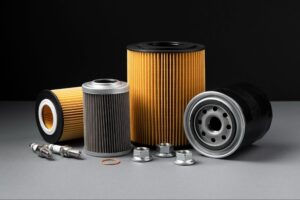
- Spark plugs fail to ignite fuel properly
- Ignition coils malfunction
- Fuel delivery becomes inconsistent
You may also notice:
- Strong shaking or vibration
- Loss of power
- Rough acceleration
- Jerking while driving
A continuous misfire can quickly damage the catalytic converter and engine internals.
2. Faulty Ignition System Components
Problems in the ignition system can trigger a flashing warning light.
Common causes include:
- Worn or damaged spark plugs
- Failed ignition coils
- Bad spark plug wires (in older vehicles)
When ignition components fail, combustion becomes incomplete, leading to unburned fuel entering the exhaust system.
This condition is dangerous because it can overheat critical emissions components.
3. Fuel System Problems
A malfunctioning fuel system can also cause a flashing check engine light.
Possible issues include:
- Fuel injector failure
- Excess fuel entering the combustion chamber
- Incorrect air-fuel mixture
- Faulty sensors (such as oxygen or mass airflow sensors)
These problems disrupt combustion balance and can quickly escalate engine damage if ignored.
What You Should Do Immediately
If your check engine light is flashing:
- Stop driving as soon as it is safe to do so
- Avoid accelerating or pushing the engine
- Turn off the engine and allow it to cool
- Have the vehicle inspected by a professional immediately
Driving with a flashing check engine light can lead to expensive repairs.
What Happens If You Keep Driving?
Ignoring a flashing check engine light can result in:
- Catalytic converter failure
- Severe engine damage
- Reduced fuel efficiency
- Complete engine breakdown
- Expensive repair bills
What starts as a simple misfire can quickly become a major mechanical failure.
Can You Drive Short Distances?
It is strongly discouraged. Even short trips can worsen the problem and increase repair costs. If absolutely necessary, drive only a very short distance to a safe location or repair facility.
Common Warning Signs That Appear With a Flashing Light
You may also notice:
- Engine shaking
- Strong fuel smell
- Loss of acceleration
- Rough idling
- Poor fuel economy
These symptoms confirm that the engine is not operating correctly.
Frequently Asked Questions
Is a flashing check engine light worse than a solid one?
Yes. A flashing light indicates a severe issue, usually engine misfires, that requires immediate attention.
Can bad spark plugs cause a flashing check engine light?
Yes. Worn or damaged spark plugs are one of the most common causes of engine misfires.
Will the light stop flashing on its own?
It may stop temporarily, but the underlying issue will remain and can worsen without repair.
Is it safe to ignore the warning if the car still drives?
No. Even if the car feels drivable, internal damage may already be occurring.
If you’re wondering why your check engine light is flashing, the answer is almost always serious engine misfiring or fuel/ignition system failure. This is not a warning to delay—it’s a signal to stop driving immediately and get your vehicle inspected.
Acting quickly can prevent catastrophic engine damage and save you from costly repairs.
Keeping up with routine vehicle maintenance is the key to maximizing performance, improving fuel efficiency, and avoiding costly repairs. Services like oil changes, brake inspections, fluid exchanges, and preventive maintenance help keep your vehicle safe and reliable for every mile ahead. At Kwik Lube Auto Care, drivers can count on fast, professional service designed to protect their investment and extend the life of their vehicle. Explore their full range of maintenance and repair solutions on the Kwik Lube Services page and keep your car running at its best.