Your brake rotors are one of the most important parts of your vehicle’s braking system. Every time you press the brake pedal, the brake pads clamp onto the rotors to slow your vehicle safely. But like any component exposed to constant friction and heat, brake rotors eventually wear out.
If you’re wondering when to replace brake rotors, paying attention to the warning signs can help you avoid dangerous driving conditions and expensive brake repairs. Ignoring worn rotors can reduce braking performance, damage your brake pads, and increase your stopping distance when you need it most.
Here’s everything you need to know about when brake rotors should be replaced, the warning signs to watch for, and how proper maintenance can keep your vehicle safe.
What Do Brake Rotors Do?
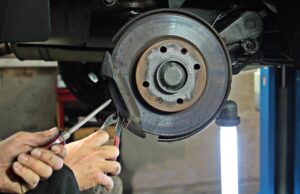
Brake rotors are large metal discs mounted behind each wheel.
When you press the brake pedal, the brake calipers squeeze the brake pads against the spinning rotors. This friction converts your vehicle’s kinetic energy into heat, allowing your car to slow down and stop.
Because rotors endure thousands of braking cycles throughout their lifespan, they gradually become thinner and less effective over time.
4 Scary Signs You Need to Replace Brake Rotors
Knowing these warning signs can help you prevent more serious brake problems.
1. Steering Wheel Shakes While Braking
One of the most common symptoms of worn or warped brake rotors is a steering wheel that vibrates when you apply the brakes.
Excessive heat can create uneven rotor surfaces, causing the brake pads to grip inconsistently.
Common symptoms include:
- Steering wheel vibration
- Brake pedal pulsation
- Stronger vibration at higher speeds
- Uneven braking feel
Warped rotors reduce braking efficiency and should be inspected as soon as possible.
2. Deep Grooves or Visible Damage
Brake rotors should have a smooth, even braking surface.
Over time, worn brake pads or debris can create deep grooves that reduce braking performance.
Inspect your rotors for:
- Deep scoring
- Cracks
- Blue heat spots
- Heavy rust
- Uneven wear
Visible damage usually means the rotors need resurfacing or replacement.
3. Grinding or Squealing Noises
Unusual brake noises often indicate excessive brake wear.
If worn brake pads expose their metal backing plates, they can grind directly against the rotors.
Warning sounds include:
- Metal grinding
- High-pitched squealing
- Scraping noises
- Clicking during braking
Ignoring these noises can quickly destroy the brake rotors and increase repair costs.
4. Brake Rotors Below Minimum Thickness
Every brake rotor has a manufacturer-specified minimum thickness.
As the rotor wears down, it becomes less capable of absorbing and dissipating heat.
Thin rotors may cause:
- Brake fade
- Longer stopping distances
- Increased risk of cracking
- Reduced braking performance
During a brake inspection, technicians use a precision micrometer to measure rotor thickness and determine whether replacement is necessary.
How Long Do Brake Rotors Last?
Brake rotor lifespan depends on several factors, including driving habits, vehicle type, and maintenance.
Many brake rotors last between 50,000 and 70,000 miles, although some may require replacement sooner under demanding driving conditions.
Factors that affect rotor lifespan include:
- Aggressive braking
- Stop-and-go traffic
- Mountain driving
- Heavy towing
- Brake pad quality
- Vehicle weight
Routine inspections help determine their actual condition rather than relying solely on mileage.
Should You Replace Brake Rotors With Brake Pads?
In many cases, yes.
Whenever brake pads are replaced, the rotors should also be carefully inspected.
Depending on their condition, they may:
- Remain in service
- Be resurfaced (if manufacturer specifications allow)
- Require replacement
Installing new brake pads on severely worn rotors can reduce braking performance and shorten the life of the new pads.
Can You Drive With Bad Brake Rotors?
It’s not recommended.
Damaged or excessively worn rotors can lead to:
- Longer stopping distances
- Brake pedal vibration
- Uneven braking
- Reduced vehicle control
- Damage to new brake pads
- Increased repair costs
If your brakes vibrate, grind, or make unusual noises, schedule an inspection as soon as possible.
How Mechanics Inspect Brake Rotors
A professional brake inspection typically includes checking:
- Rotor thickness
- Rotor runout (warping)
- Surface condition
- Heat damage
- Brake pad wear
- Brake caliper operation
- Brake fluid condition
- Brake hoses
This complete inspection ensures every brake component is operating safely.
How to Extend the Life of Your Brake Rotors
Routine maintenance can significantly increase rotor lifespan.
Follow these preventive maintenance tips:
- Avoid aggressive braking whenever possible.
- Replace brake pads before they’re completely worn.
- Have your brakes inspected regularly.
- Use high-quality replacement brake pads.
- Address brake vibrations immediately.
- Avoid overloading your vehicle beyond its recommended capacity.
Good driving habits reduce heat buildup and help brake components last longer.
Frequently Asked Questions
How do I know when brake rotors need replacing?
Common warning signs include steering wheel vibration during braking, deep grooves, grinding noises, visible cracks, and rotors that measure below the manufacturer’s minimum thickness.
Can brake rotors be resurfaced instead of replaced?
Sometimes. If the rotors are still above the minimum thickness and have no cracks or severe heat damage, resurfacing may be an option. Your technician can determine whether resurfacing is safe.
How long should brake rotors last?
Most brake rotors last between 50,000 and 70,000 miles, although aggressive driving and heavy braking can shorten their lifespan.
Can bad rotors damage new brake pads?
Yes. Installing new brake pads on damaged or uneven rotors can cause premature pad wear, vibrations, and poor braking performance.
Is it dangerous to drive with warped brake rotors?
Yes. Warped or excessively worn rotors reduce braking efficiency, increase stopping distances, and may affect your ability to control the vehicle during emergency braking.
Knowing when to replace brake rotors is essential for maintaining safe, reliable braking performance. Whether you notice steering wheel vibrations, grinding noises, visible rotor damage, or excessive wear, addressing the issue early helps protect your entire braking system and prevents more expensive repairs. Regular brake inspections and timely rotor replacement ensure your vehicle remains safe, responsive, and ready for every drive.
Keeping up with routine vehicle maintenance is the key to maximizing performance, improving fuel efficiency, and avoiding costly repairs. Services like oil changes, brake inspections, fluid exchanges, and preventive maintenance help keep your vehicle safe and reliable for every mile ahead. At Kwik Lube Auto Care, drivers can count on fast, professional service designed to protect their investment and extend the life of their vehicle. Explore their full range of maintenance and repair solutions on the Kwik Lube Services page and keep your car running at its best.