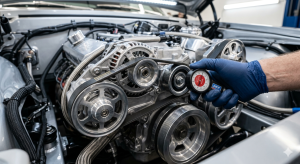
Few dashboard warnings are more alarming than seeing your temperature gauge climb into the red zone. An overheating engine can quickly turn a minor issue into a major repair if not addressed promptly. From coolant problems to failing engine components, several factors can cause your vehicle’s temperature to rise beyond safe operating levels.
If you’ve ever wondered what can cause a car to overheat, understanding the most common causes can help you identify problems early and avoid costly engine damage.
In this guide, we’ll explore the 6 most common engine culprits behind overheating, warning signs to watch for, and what you can do to protect your vehicle.
Why Engine Temperature Matters
Your engine generates a significant amount of heat while running. The cooling system is designed to regulate this temperature and prevent components from becoming damaged.
A properly functioning cooling system relies on several parts working together, including:
- Radiator
- Coolant
- Water pump
- Thermostat
- Cooling fans
- Hoses and belts
When any of these components fail, the engine may begin to overheat.
1. Low Coolant Levels
One of the most common reasons a vehicle overheats is low coolant.
Coolant, also known as antifreeze, absorbs heat from the engine and transfers it to the radiator, where it dissipates into the air.
When coolant levels drop, the cooling system loses its ability to regulate temperature effectively.
Common Causes of Low Coolant
- Coolant leaks
- Evaporation over time
- Damaged hoses
- Faulty radiator cap
- Cracked reservoir tank
Warning Signs
- Rising temperature gauge
- Coolant warning light
- Sweet smell from the engine bay
- Visible coolant puddles under the vehicle
Checking coolant levels regularly can help prevent overheating problems before they become serious.
2. A Failing Radiator
The radiator plays a critical role in removing heat from the coolant before it circulates back through the engine.
If the radiator becomes clogged, damaged, or restricted, heat cannot dissipate efficiently.
Signs of a Bad Radiator
- Engine overheating during traffic
- Coolant leaks near the front of the vehicle
- Rust or corrosion on the radiator
- Frequent temperature fluctuations
Over time, debris, rust, and mineral deposits can reduce radiator efficiency and lead to overheating.
3. A Malfunctioning Thermostat
The thermostat controls the flow of coolant between the engine and radiator.
When functioning properly, it opens and closes at specific temperatures to maintain optimal engine operation.
If the thermostat becomes stuck closed, coolant cannot circulate properly, causing heat to build rapidly.
Symptoms of a Bad Thermostat
- Sudden overheating
- Temperature gauge spikes
- Poor heater performance
- Coolant circulation issues
A faulty thermostat is often a relatively inexpensive repair but can cause major engine problems if ignored.
4. Water Pump Failure
The water pump is responsible for circulating coolant throughout the cooling system.
Without proper coolant circulation, heat cannot be carried away from the engine efficiently.
Signs of Water Pump Problems
- Coolant leaks near the pump
- Whining or grinding noises
- Steam from the engine bay
- Engine overheating at all speeds
Water pump failure can lead to rapid overheating and should be addressed immediately.
5. Cooling Fan Problems
Many vehicles use electric cooling fans to help pull air through the radiator, especially when driving slowly or sitting in traffic.
If the cooling fan fails, airflow decreases significantly, causing temperatures to rise.
Common Cooling Fan Issues
- Blown fuse
- Faulty fan motor
- Electrical wiring problems
- Defective temperature sensor
Symptoms
- Overheating while idling
- Temperature drops when driving at higher speeds
- Fan not turning on when engine is hot
Cooling fan issues are especially noticeable during hot weather and heavy traffic conditions.
6. Damaged Hoses or Drive Belts
Cooling system hoses and drive belts help move coolant throughout the engine.
Over time, these components can wear out due to:
- Heat exposure
- Age
- Cracking
- Dry rot
- Physical damage
A leaking hose can quickly cause coolant loss, while a damaged serpentine belt may prevent the water pump from operating correctly.
Warning Signs
- Visible cracks in hoses
- Coolant leaks
- Squealing belt noises
- Rising engine temperature
Routine inspections can help identify worn components before they fail.
Additional Factors That Can Cause Overheating
While the six issues above are the most common, other problems may also contribute to overheating.
These include:
- Clogged radiator passages
- Air trapped in the cooling system
- Incorrect coolant mixture
- Blown head gasket
- Low engine oil levels
- Heavy towing or excessive engine load
Professional diagnosis may be necessary if overheating persists.
What to Do If Your Car Starts Overheating
If your temperature gauge enters the red zone:
1. Turn Off the Air Conditioner
This reduces strain on the engine.
2. Turn On the Heater
It may help pull excess heat away from the engine.
3. Pull Over Safely
Stop driving as soon as it is safe.
4. Shut Off the Engine
Allow the engine to cool completely before opening the hood.
5. Check Coolant Levels
Only inspect coolant after the engine has cooled.
Never remove the radiator cap while the engine is hot.
How to Prevent Engine Overheating
Preventive maintenance is the best way to avoid cooling system problems.
Consider these maintenance tips:
- Check coolant levels regularly
- Flush coolant according to manufacturer recommendations
- Inspect hoses and belts periodically
- Replace worn thermostats when needed
- Keep the radiator clean
- Schedule annual cooling system inspections
Regular maintenance can significantly reduce the risk of overheating and extend engine life.
Frequently Asked Questions
Can low coolant cause a car to overheat?
Yes. Low coolant is one of the most common causes of overheating because it reduces the system’s ability to transfer heat away from the engine.
Is it safe to drive an overheating car?
No. Continuing to drive an overheating vehicle can cause severe engine damage, including warped cylinder heads and blown head gaskets.
Can a bad radiator cause overheating?
Absolutely. A clogged or damaged radiator prevents proper heat dissipation, causing engine temperatures to rise.
How much does it cost to fix an overheating car?
Costs vary depending on the cause. Minor repairs like thermostat replacement may be inexpensive, while major engine damage can be significantly more costly.
Understanding what can cause a car to overheat can help you respond quickly when warning signs appear. Low coolant, radiator problems, thermostat failure, water pump issues, cooling fan malfunctions, and damaged hoses are among the most common reasons engines overheat.
By performing regular cooling system maintenance and addressing small issues early, you can help prevent breakdowns, protect your engine, and avoid expensive repairs in the future.
Keeping up with routine vehicle maintenance is the key to maximizing performance, improving fuel efficiency, and avoiding costly repairs. Services like oil changes, brake inspections, fluid exchanges, and preventive maintenance help keep your vehicle safe and reliable for every mile ahead. At Kwik Lube Auto Care, drivers can count on fast, professional service designed to protect their investment and extend the life of their vehicle. Explore their full range of maintenance and repair solutions on the Kwik Lube Services page and keep your car running at its best.