Full synthetic oil is designed to last longer, perform better under extreme conditions, and provide superior engine protection compared to conventional oil. However, many drivers still change it too frequently, wasting money without improving engine health.
Understanding the correct full synthetic oil change frequency is essential to maintaining your engine efficiently without unnecessary maintenance costs.
In this guide, you’ll learn how often you should change full synthetic oil, the risks of changing it too soon, and the warning signs your engine actually needs a change.
What Makes Full Synthetic Oil Different?
Full synthetic oil is chemically engineered for maximum performance and durability. Unlike conventional oil, it is designed to:
- Resist breakdown at high temperatures
- Flow better in cold starts
- Reduce engine friction
- Minimize sludge and deposits
- Last longer between oil changes
Because of these properties, synthetic oil does not need to be changed as frequently as traditional oil.
What Is the Correct Full Synthetic Oil Change Frequency?
Most modern vehicles using full synthetic oil should follow this general guideline:
- 5,000 to 10,000 miles per oil change
However, the exact interval depends on:
- Driving habits
- Engine type
- Climate conditions
- Manufacturer recommendations
- Traffic conditions
General Rule:
If you drive under normal conditions, 7,500–10,000 miles is typically safe for full synthetic oil.
1. Why Changing Oil Too Often Is a Waste of Money
One of the biggest misconceptions is that oil must be changed frequently regardless of type.
With full synthetic oil, changing it too early:
- Wastes money
- Provides no extra engine benefit
- Creates unnecessary maintenance cycles
- Does not improve performance
Modern engines and oils are designed for longer intervals, making premature changes unnecessary.
2. Driving Conditions That Require More Frequent Changes
Even with synthetic oil, some conditions require shorter intervals:
Severe Driving Conditions:
- Stop-and-go traffic
- Short trips under 5 miles
- Extreme heat (like Florida or desert climates)
- Towing or heavy loads
- Long periods of idling
In these cases, oil may need to be changed closer to:
- 5,000–7,000 miles
3. Highway Driving Extends Oil Life
If most of your driving is:
- Highway miles
- Steady speeds
- Long-distance travel
Then your oil experiences less stress and degradation.
In these conditions, full synthetic oil can often safely last:
- 8,000–10,000+ miles
4. Manufacturer Recommendations Always Come First
Every engine is different. Some modern vehicles include:
- Oil life monitoring systems
- Turbocharged engines requiring specific intervals
- Direct injection engines with unique demands
Always check your owner’s manual for the most accurate interval for your vehicle.
5. Signs Your Full Synthetic Oil Needs Changing
Even if mileage hasn’t been reached, watch for these warning signs:
- Dark or dirty oil
- Engine noise or knocking
- Reduced fuel efficiency
- Oil change warning light
- Burning oil smell
- Rough engine performance
These symptoms indicate the oil may no longer be protecting the engine properly.
6. Synthetic Oil and Engine Longevity
One of the biggest advantages of synthetic oil is its ability to extend engine life.
It helps:
- Reduce wear on internal components
- Keep engine cleaner
- Prevent sludge buildup
- Improve long-term reliability
Consistent maintenance is more important than overly frequent changes.
7. Common Mistakes Drivers Make
Many drivers unintentionally reduce efficiency by:
Changing Oil Too Early
Leads to unnecessary costs with no added benefit.
Ignoring Manufacturer Guidelines
Every engine has a specific requirement.
Not Checking Oil Condition
Mileage alone is not always the best indicator.
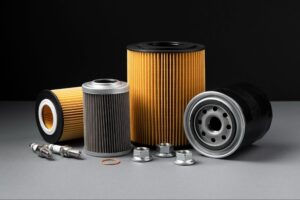
Forgetting Oil Filters
A dirty filter can reduce the effectiveness of fresh oil.
Frequently Asked Questions
Can full synthetic oil really last 10,000 miles?
Yes, in many modern engines under normal driving conditions, synthetic oil can safely last up to 10,000 miles.
Is it bad to go over the oil change interval?
Occasionally exceeding the interval slightly may not cause immediate damage, but consistently delaying oil changes can reduce engine life.
Does synthetic oil degrade over time?
Yes, but much slower than conventional oil. Heat, driving conditions, and engine type all affect degradation rate.
Should I change oil based on time or mileage?
Both matter. If you don’t drive often, oil should still be changed every 6–12 months depending on manufacturer recommendations.
Understanding full synthetic oil change frequency helps you avoid unnecessary maintenance while still protecting your engine. For most drivers, synthetic oil offers a longer service interval of 5,000 to 10,000 miles, depending on driving conditions.
The key is balance: not changing too early, not waiting too long, and always following manufacturer guidelines for your specific engine.
Keeping up with routine vehicle maintenance is the key to maximizing performance, improving fuel efficiency, and avoiding costly repairs. Services like oil changes, brake inspections, fluid exchanges, and preventive maintenance help keep your vehicle safe and reliable for every mile ahead. At Kwik Lube Auto Care, drivers can count on fast, professional service designed to protect their investment and extend the life of their vehicle. Explore their full range of maintenance and repair solutions on the Kwik Lube Services page and keep your car running at its best.