If your engine shakes, vibrates, or feels unstable while your vehicle is stopped, you may be wondering, «Why is my car idling rough?» A rough idle isn’t just annoying—it often signals that your engine isn’t getting the proper mix of air, fuel, or spark needed to run smoothly.
While some causes are relatively minor, others can lead to poor fuel economy, reduced performance, or even expensive engine damage if left unresolved. Fortunately, identifying the problem early can help restore your engine’s performance and prevent more costly repairs.
Here’s everything you need to know about why your car is idling rough, the six most common causes, and what you can do to fix the problem.
What Is a Rough Idle?
Your engine should idle smoothly at a consistent RPM whenever you’re stopped at a traffic light or parked with the engine running.
A rough idle occurs when the engine struggles to maintain a steady speed, causing noticeable:
- Vibrations
- Shaking
- Engine stumbling
- Fluctuating RPMs
- Occasional stalling
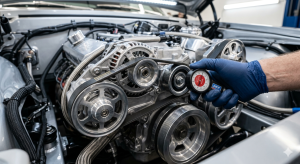
Modern engines rely on dozens of sensors and components working together. If even one of them fails, the engine may no longer run smoothly at idle.
6 Hidden Culprits Behind a Rough Idle
Several engine and fuel system problems can cause rough idling.
1. Dirty Fuel Injectors
One of the most common causes of rough idle is dirty or partially clogged fuel injectors.
Fuel injectors spray a precise amount of fuel into each cylinder. Over time, carbon deposits can restrict fuel flow, creating an uneven air-fuel mixture.
Common symptoms include:
- Rough idle
- Engine hesitation
- Poor acceleration
- Reduced fuel economy
- Occasional engine misfires
A professional fuel injector cleaning service can often restore proper engine performance.
2. Vacuum Leaks
Your engine depends on a sealed intake system to maintain the correct air-to-fuel ratio.
If a vacuum hose cracks or becomes disconnected, excess air enters the engine, creating a lean fuel mixture.
Signs of a vacuum leak include:
- High or fluctuating idle
- Hissing noise from the engine bay
- Rough idle
- Check Engine Light
- Poor acceleration
Even a small vacuum leak can significantly affect engine performance.
3. Worn Spark Plugs or Ignition Components
Spark plugs ignite the air-fuel mixture inside each cylinder.
As they wear, they may fail to ignite the mixture consistently, causing engine misfires that are especially noticeable while idling.
Other worn ignition components, such as ignition coils or spark plug wires (on older vehicles), can produce similar symptoms.
Warning signs include:
- Rough idle
- Engine misfires
- Slow acceleration
- Hard starting
- Increased fuel consumption
Replacing worn ignition components often restores smooth engine operation.
4. Dirty Throttle Body
The throttle body controls how much air enters your engine.
Over time, carbon deposits accumulate around the throttle plate, restricting airflow.
This buildup may cause:
- Rough idle
- Stalling
- Slow throttle response
- Unstable engine speed
- Poor acceleration
Cleaning the throttle body is a common maintenance procedure that often improves idle quality.
5. Faulty Mass Air Flow (MAF) Sensor
The Mass Air Flow sensor measures the amount of air entering the engine so the engine computer can calculate the correct amount of fuel.
If the sensor becomes dirty or fails, the engine may receive an incorrect air-fuel mixture.
Common symptoms include:
- Rough idle
- Check Engine Light
- Reduced fuel economy
- Hesitation during acceleration
- Poor engine performance
Cleaning or replacing a faulty MAF sensor often resolves these issues.
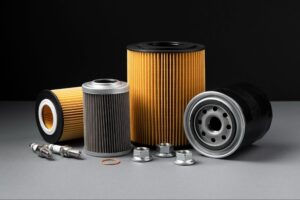
6. Clogged Air Filter
A dirty engine air filter restricts airflow into the engine.
Without enough clean air, combustion becomes less efficient, especially while idling.
Symptoms include:
- Rough idle
- Reduced acceleration
- Lower fuel efficiency
- Black exhaust smoke (in some cases)
- Reduced engine power
Replacing the engine air filter is an inexpensive maintenance item that can improve performance.
Other Possible Causes
Although these six issues are among the most common, rough idling may also result from:
- Failing oxygen sensor
- Dirty idle air control valve (on older vehicles)
- Low fuel pressure
- Faulty fuel pump
- EGR valve problems
- PCV valve failure
- Compression issues
- Engine timing problems
A professional diagnostic inspection is often necessary to identify the exact cause.
Is It Safe to Drive With a Rough Idle?
It depends on the severity of the problem.
A mild rough idle may not immediately leave you stranded, but continuing to drive without diagnosing the issue can cause additional engine damage.
Ignoring a rough idle may lead to:
- Reduced fuel economy
- Increased emissions
- Catalytic converter damage
- Poor acceleration
- Frequent stalling
- More expensive engine repairs
If your Check Engine Light is flashing or the engine is misfiring severely, stop driving and have the vehicle inspected immediately.
How Mechanics Diagnose Rough Idle Problems
A professional engine diagnostic typically includes checking:
- Diagnostic trouble codes (OBD-II scan)
- Fuel injector performance
- Spark plugs and ignition coils
- Vacuum leaks
- Mass Air Flow sensor
- Throttle body condition
- Air filter
- Fuel pressure
- Oxygen sensors
- Engine compression (if necessary)
A complete diagnosis ensures the root cause is identified instead of replacing parts unnecessarily.
How to Prevent Rough Idle
Routine maintenance is the best way to keep your engine running smoothly.
Follow these preventive maintenance tips:
- Replace spark plugs at the recommended interval.
- Change your engine air filter regularly.
- Use high-quality fuel whenever possible.
- Clean the throttle body periodically.
- Service the fuel system according to the manufacturer’s recommendations.
- Repair vacuum leaks immediately.
- Address Check Engine Lights as soon as they appear.
Preventive maintenance helps improve fuel economy, engine performance, and long-term reliability.
Frequently Asked Questions
Why does my car idle rough but drive normally?
A rough idle with normal driving performance often points to dirty fuel injectors, a vacuum leak, a dirty throttle body, or worn spark plugs. These issues tend to affect the engine most when it’s running at low RPM.
Can bad spark plugs cause rough idling?
Yes. Worn or fouled spark plugs can cause incomplete combustion, leading to rough idle, engine misfires, poor fuel economy, and reduced performance.
Will a dirty throttle body cause rough idle?
Yes. Carbon buildup around the throttle plate can restrict airflow, making it difficult for the engine to maintain a stable idle speed.
Can low-quality fuel make my engine idle rough?
Yes. Poor-quality fuel can contribute to carbon deposits inside fuel injectors and combustion chambers, which may eventually cause rough idling and reduced engine performance.
Is rough idling expensive to fix?
The repair cost depends on the underlying cause. Simple maintenance items like replacing an air filter or cleaning the throttle body are relatively inexpensive, while ignition, fuel system, or internal engine repairs can be more costly.
If you’re asking «Why is my car idling rough?», don’t ignore the warning signs. Whether the cause is dirty fuel injectors, a vacuum leak, worn spark plugs, a dirty throttle body, a faulty Mass Air Flow sensor, or a clogged air filter, diagnosing the problem early helps restore smooth engine performance and prevent more expensive repairs. Regular maintenance and prompt inspections are the best ways to keep your engine running efficiently and reliably for every mile ahead.
Keeping up with routine vehicle maintenance is the key to maximizing performance, improving fuel efficiency, and avoiding costly repairs. Services like oil changes, brake inspections, fluid exchanges, and preventive maintenance help keep your vehicle safe and reliable for every mile ahead. At Kwik Lube Auto Care, drivers can count on fast, professional service designed to protect their investment and extend the life of their vehicle. Explore their full range of maintenance and repair solutions on the Kwik Lube Services page and keep your car running at its best.